Scaling a State Licensing Platform Through a Reusable Design System
A redesign initiative focused on simplifying complex regulatory workflows, improving accessibility, and building a scalable component architecture to support long-term growth across multiple states and industries.
Lead UX/UI Designer
Front-End Developer
2024 - Present
Government
Child Care / Licensing
State Specialists, Supervisors, Providers
Web Application
C#, HTMX, JavaScript
UX Modernization
Design System
Accessibility
The Challenge
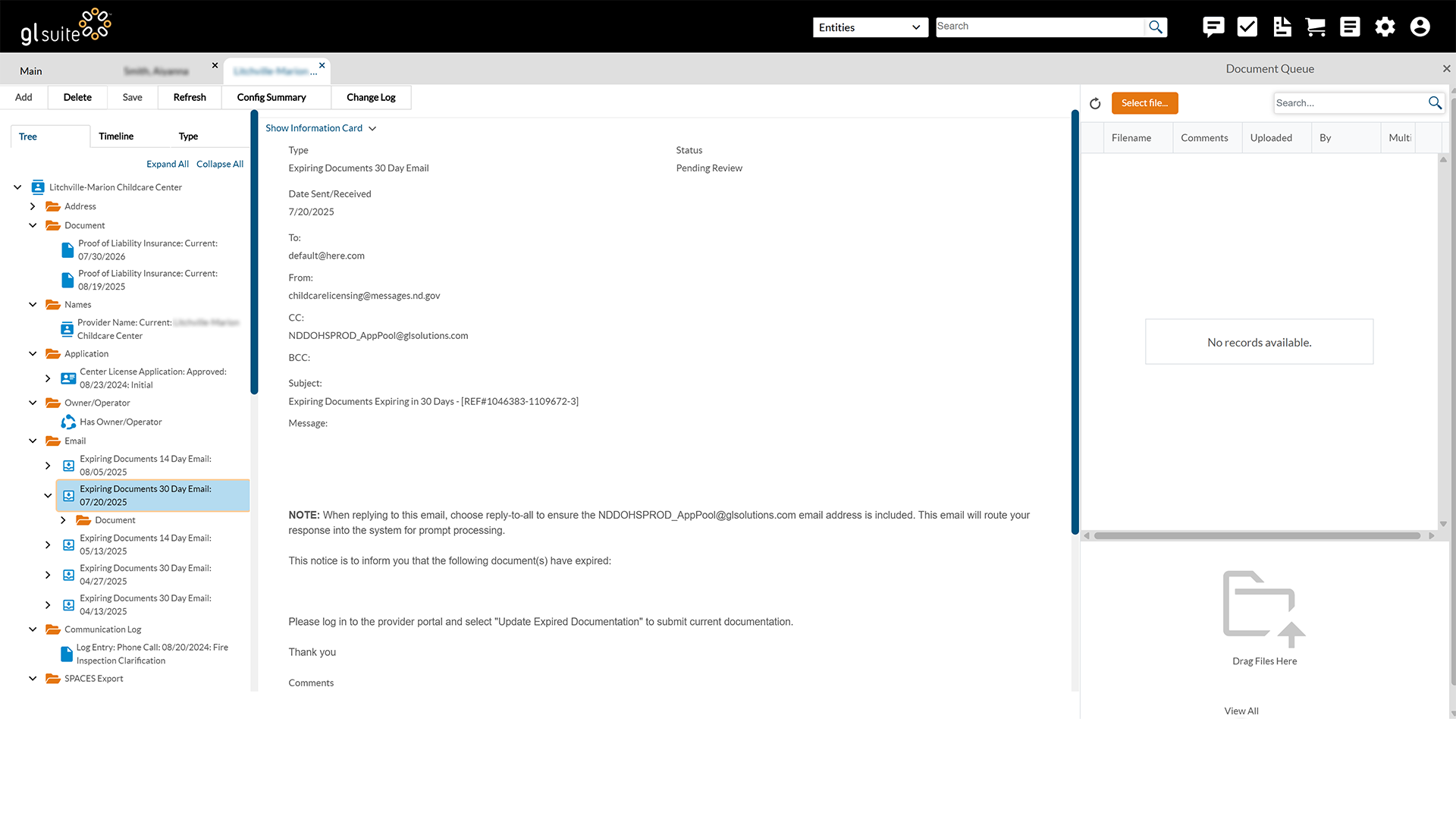
The platform supported complex licensing workflows across multiple facility types, each with unique regulatory requirements and heavily customized interfaces.
Fragmented workflows created usability issues, accessibility gaps, development inefficiencies, and increasing maintenance costs.
As the application grew, introducing new features became slower and design consistency became harder to maintain.
Inconsistent UI Patterns
Different layouts and interactions across workflows and states.
Complex Workflows
Overwhelming screens and rigid processes created friction.
Accessibility Gaps
Inconsistent patterns led to compliance challenges.
Technical Debt
Legacy code and conditional logic made changes difficult.
Slow Scaling
Onboarding new states or features required significant rework.
Poor Mobile Experience
Unoptimized layouts made mobile use difficult.
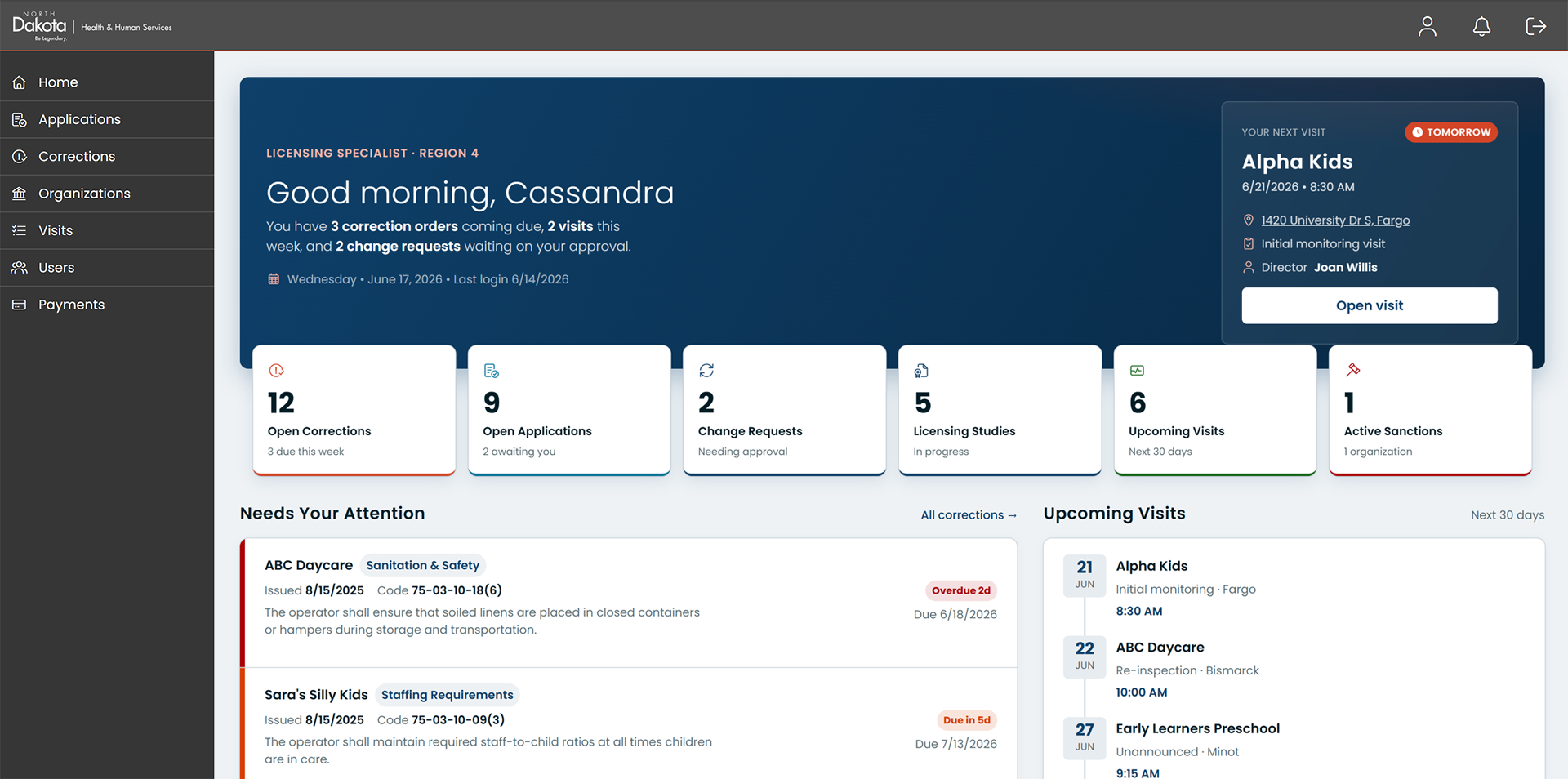
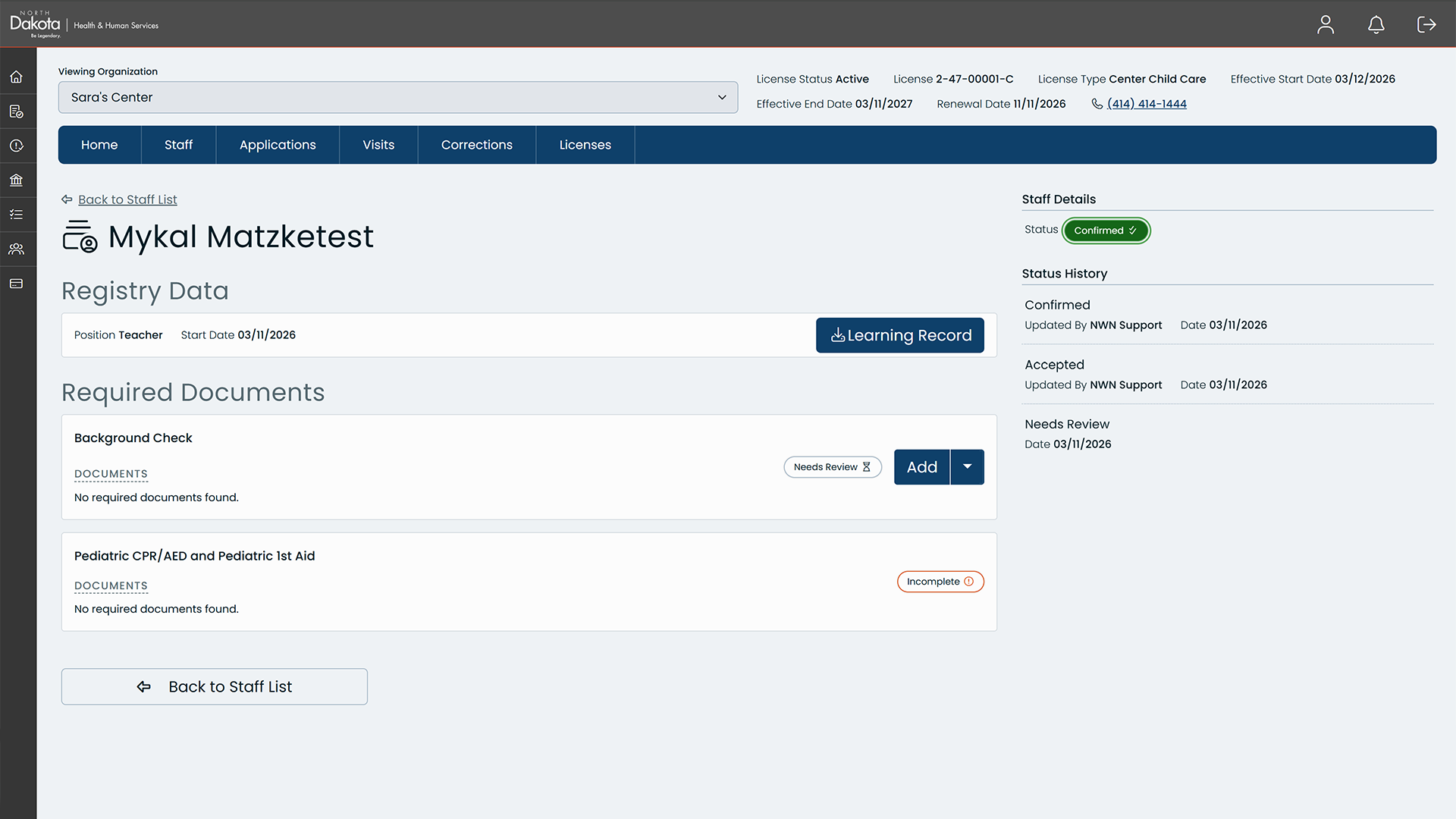
Before & After
Key Design Decisions
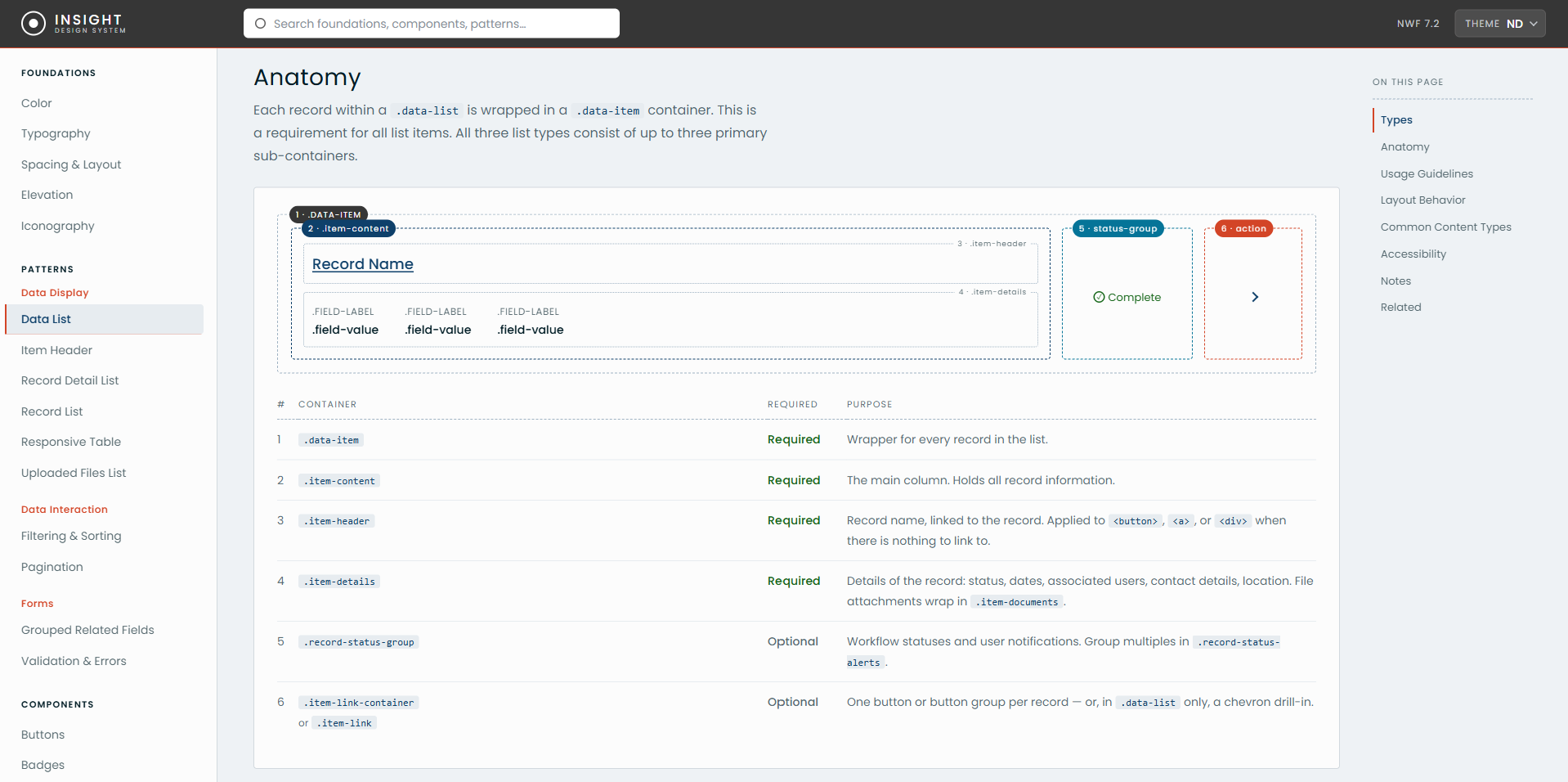
Design System Foundation
Established a scalable component library with standards, documentation, and accessibility built in.
Role-Based Experiences
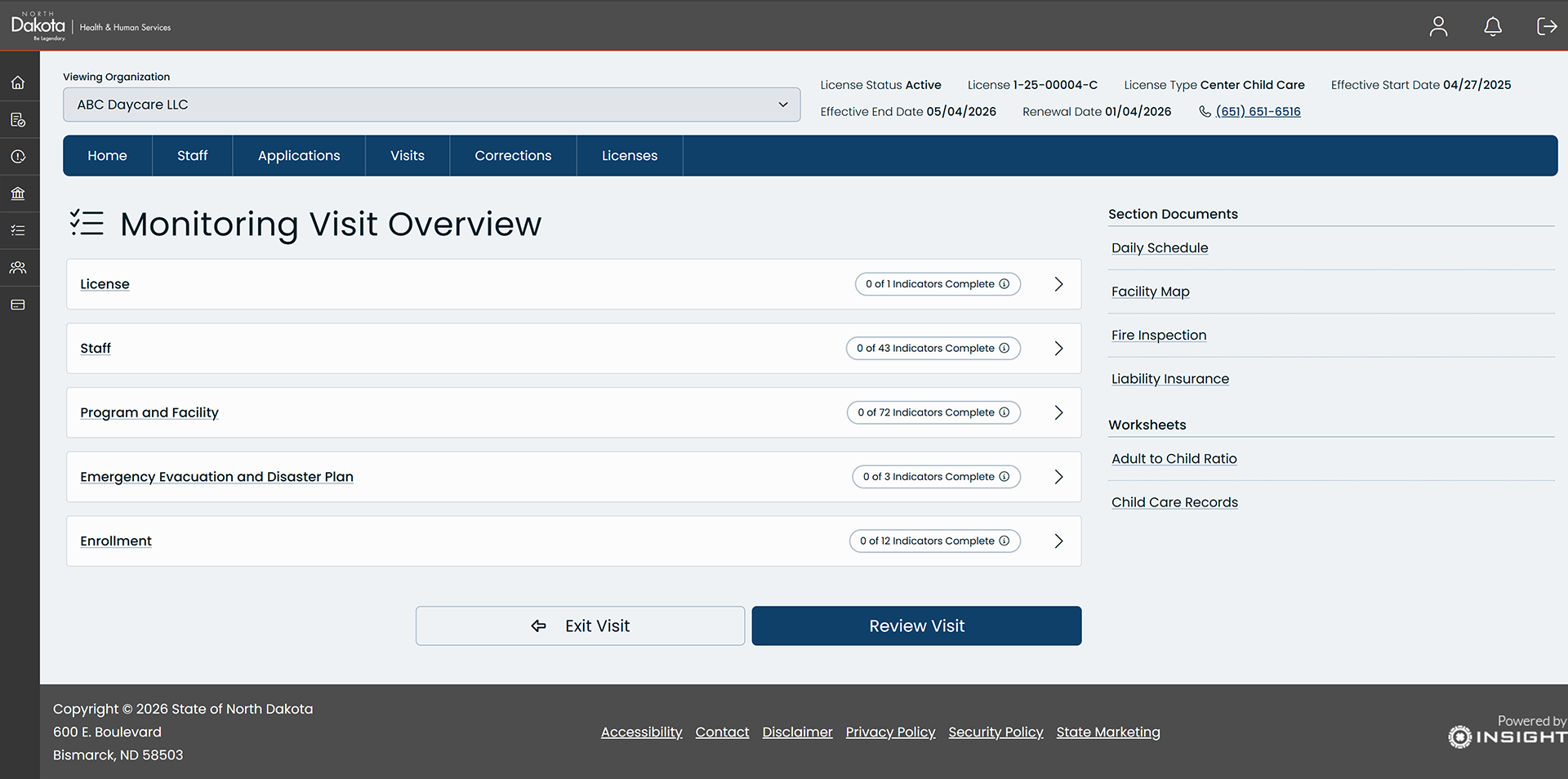
Separated admin and end-user workflows to reduce complexity and create focused experiences for each role.
Progressive Disclosure
Surfaced information contextually and reduced visual noise to improve task completion and accuracy.
Mobile-First Approach
Prioritized mobile usability to support specialists and providers working in the field.
Accessibility by Design
Built components to align with WCAG 2.1 AA standards for inclusive, compliant experiences.
FROM STRATEGY TO EXECUTION
These decisions were formalized into a reusable design system that became the foundation for new workflows and modernization efforts across the platform.
Design System in Action
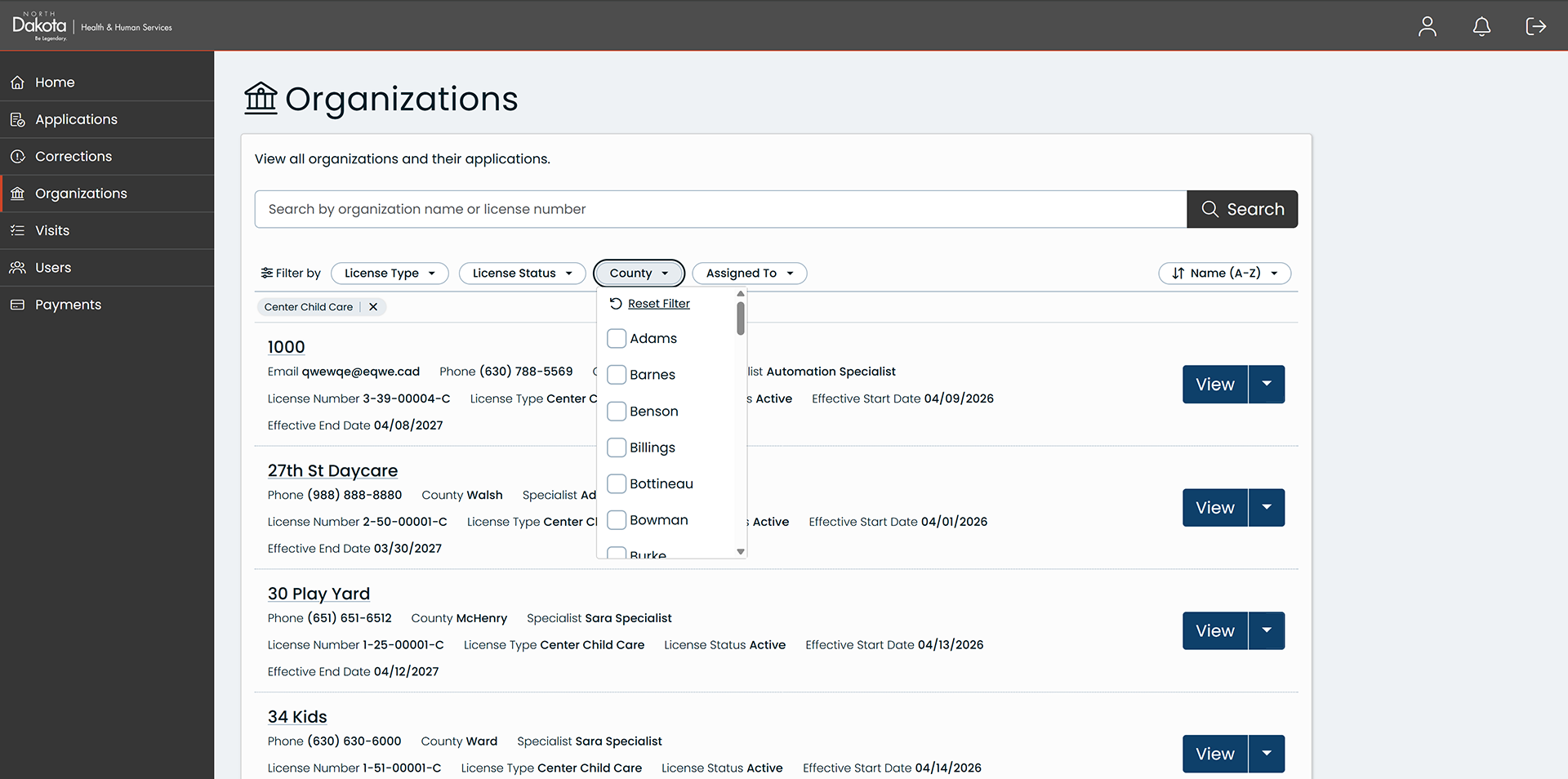
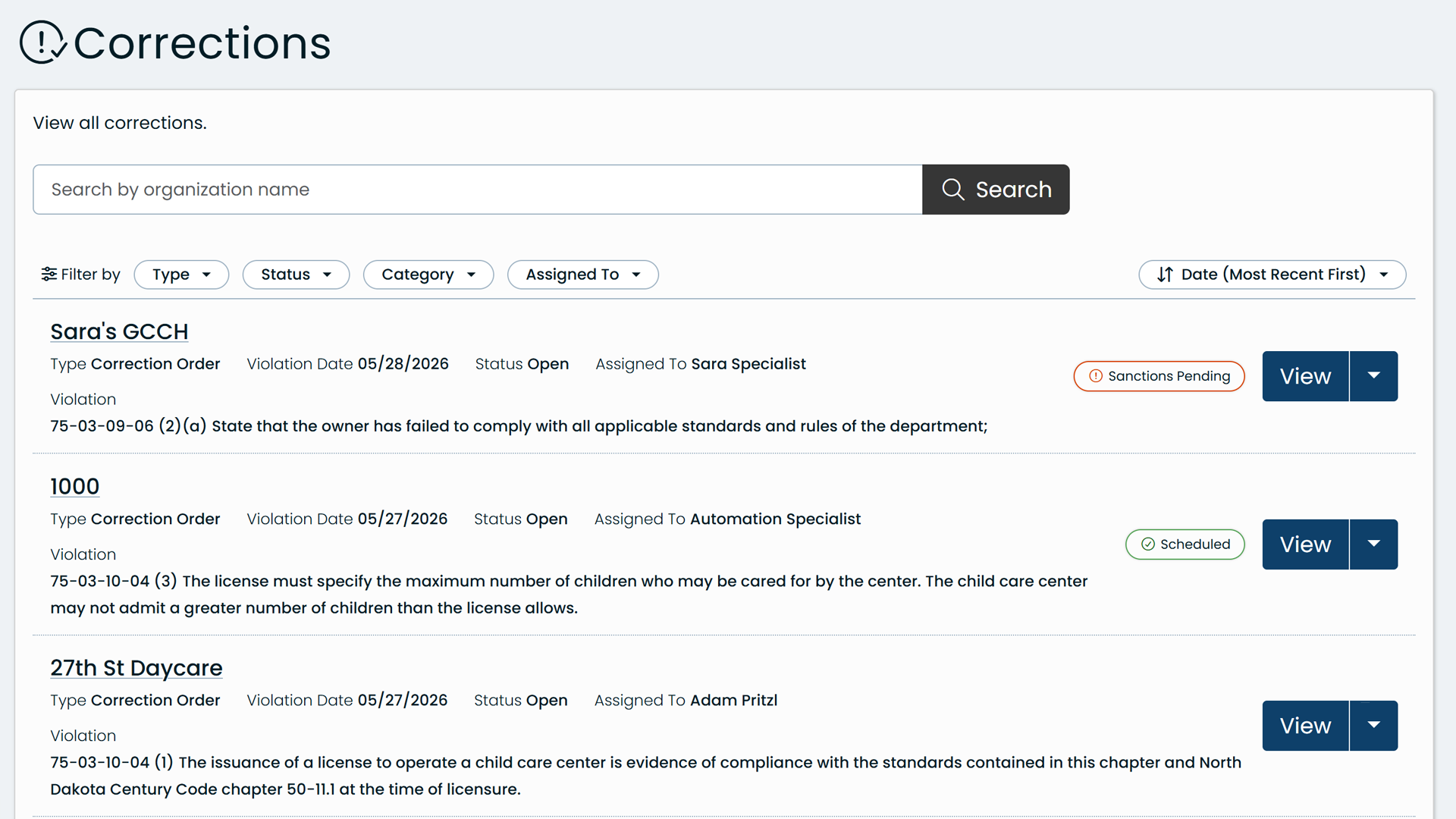
Data List Pattern
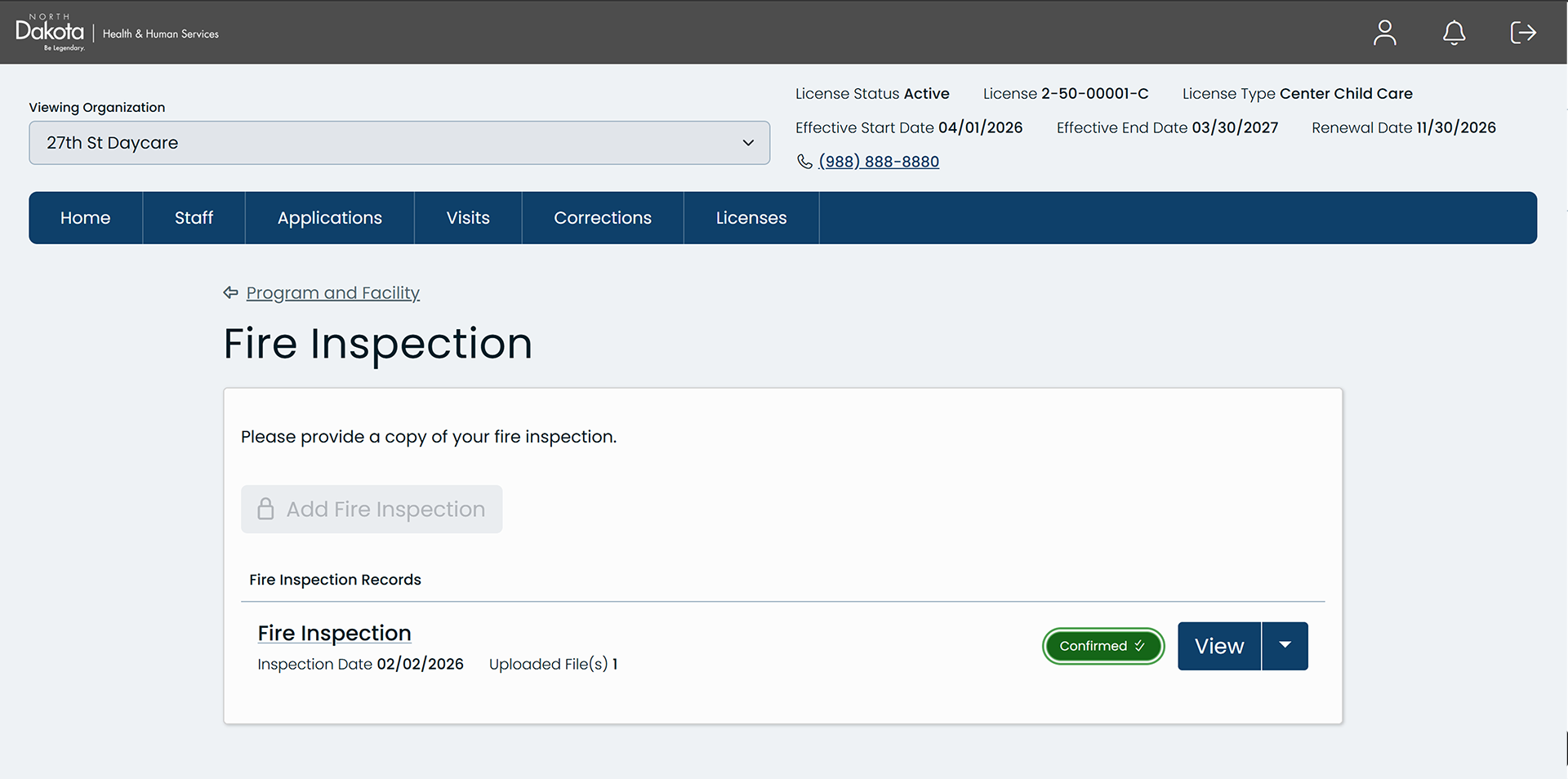
Standardized list patterns for search results, records, statuses, and actions.
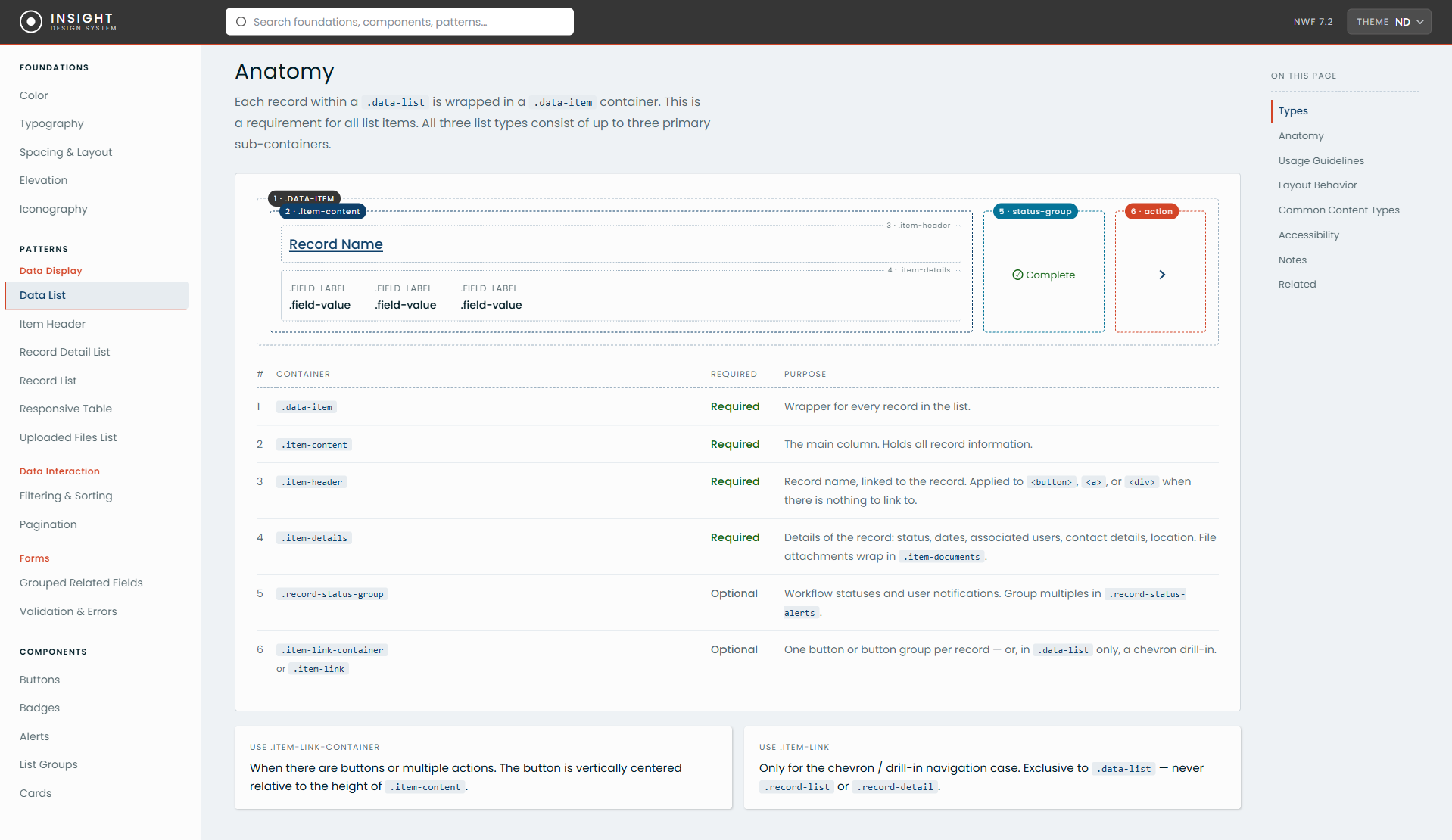
Adopted across high-traffic workflows to create a consistent user experience.
Used Across
12+ Workflows
Record Detail
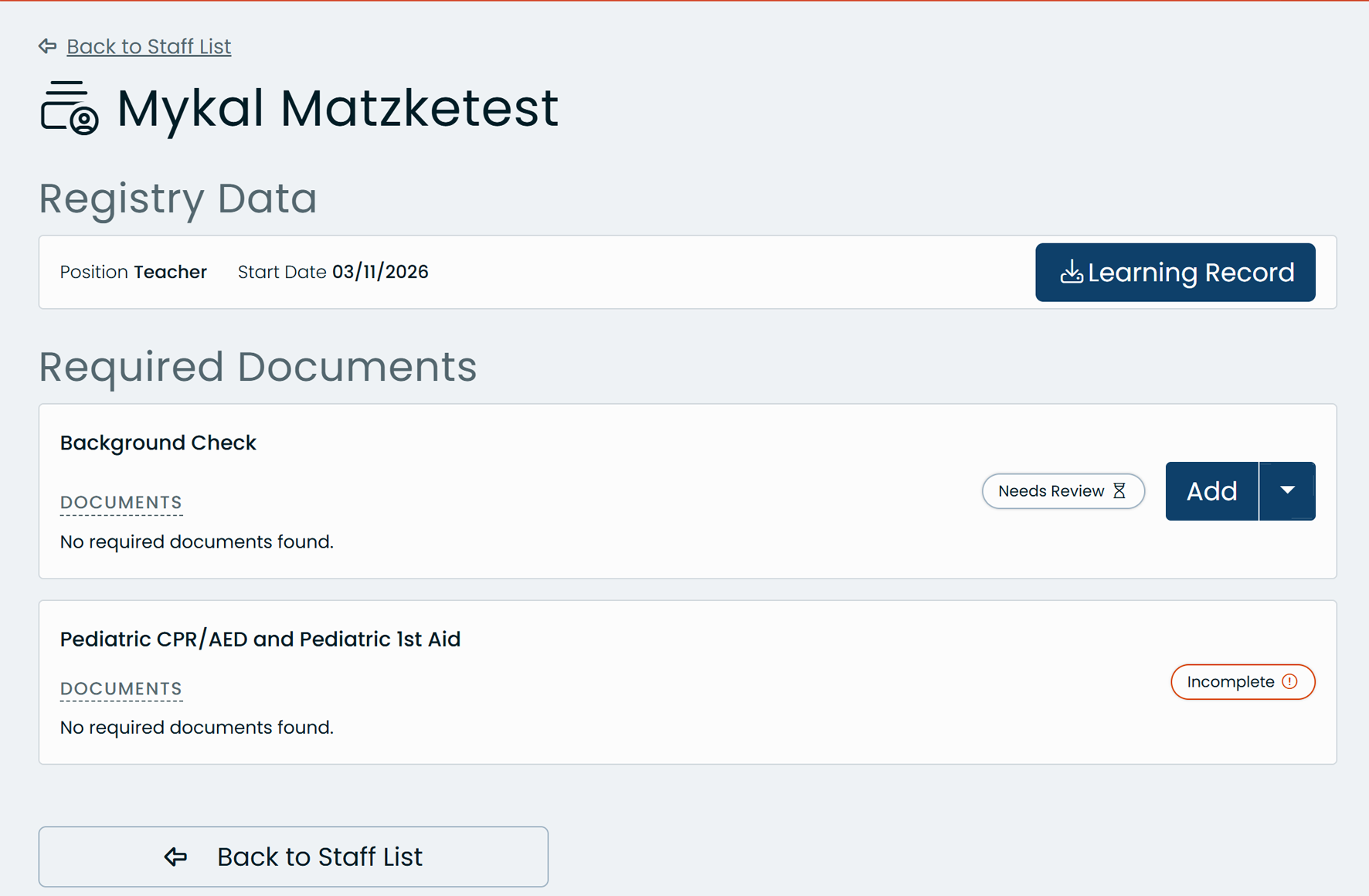
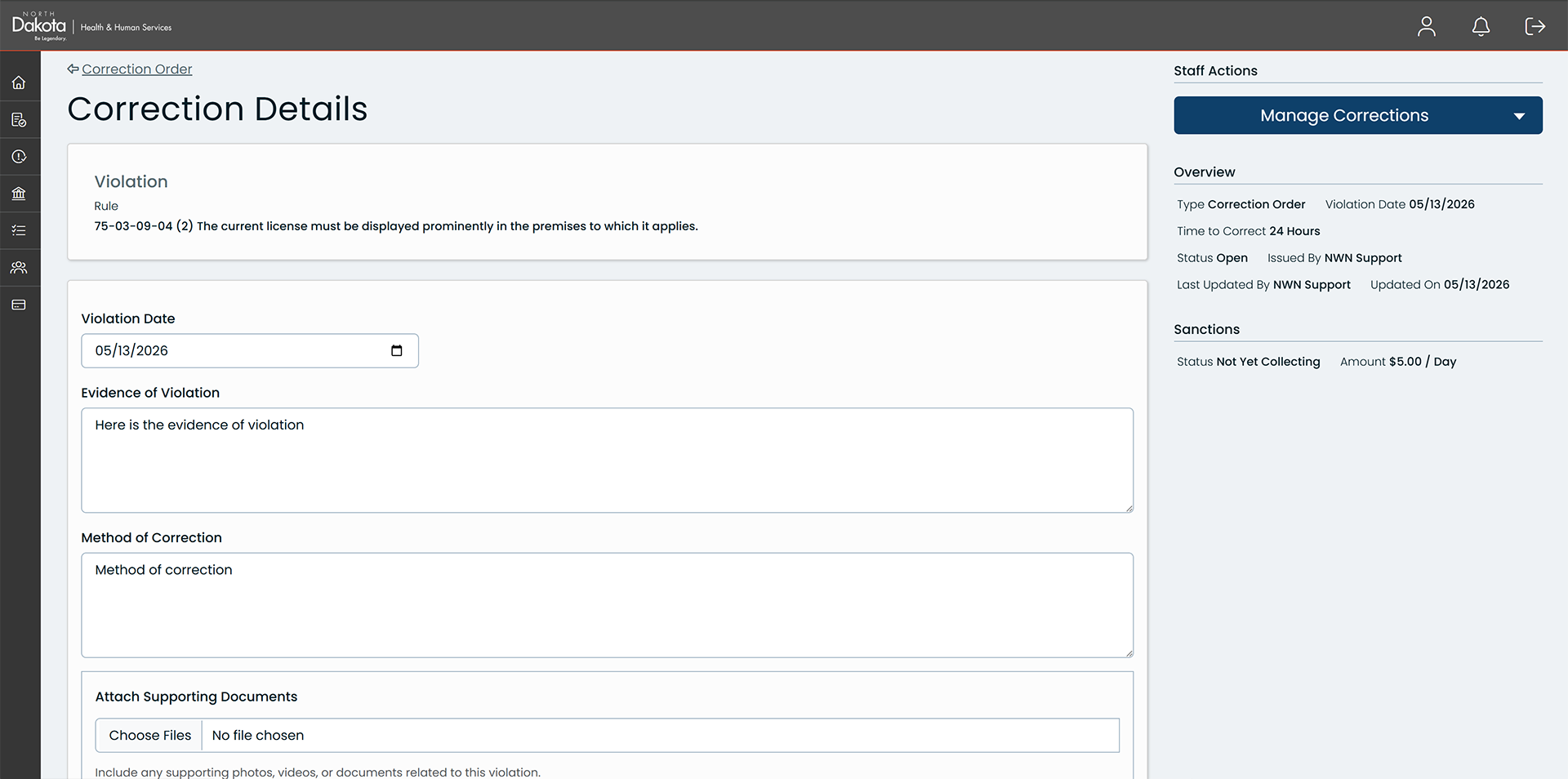
Standardized layout for detail pages improve clarity and reduce cognitive load
Overlays
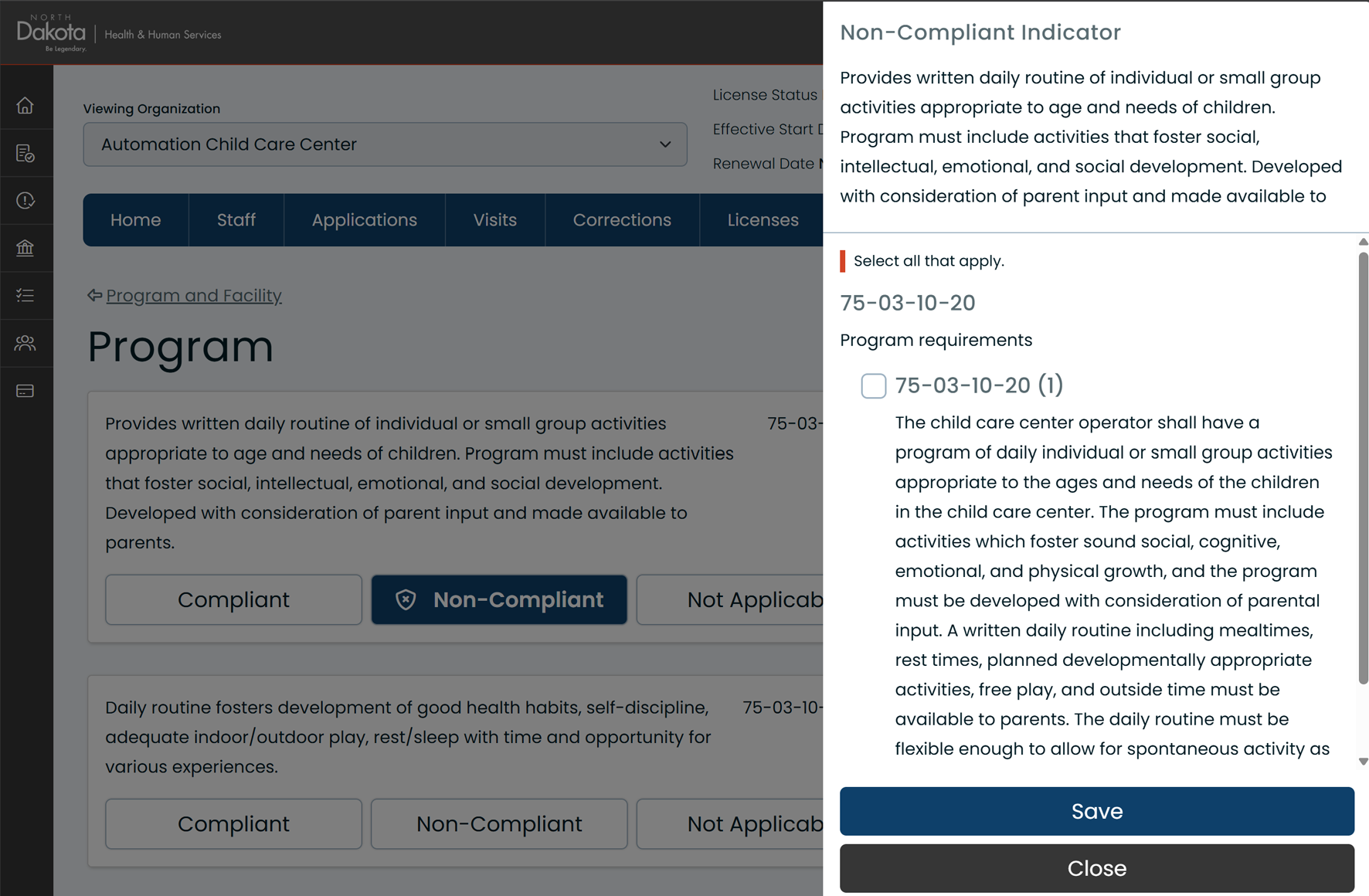
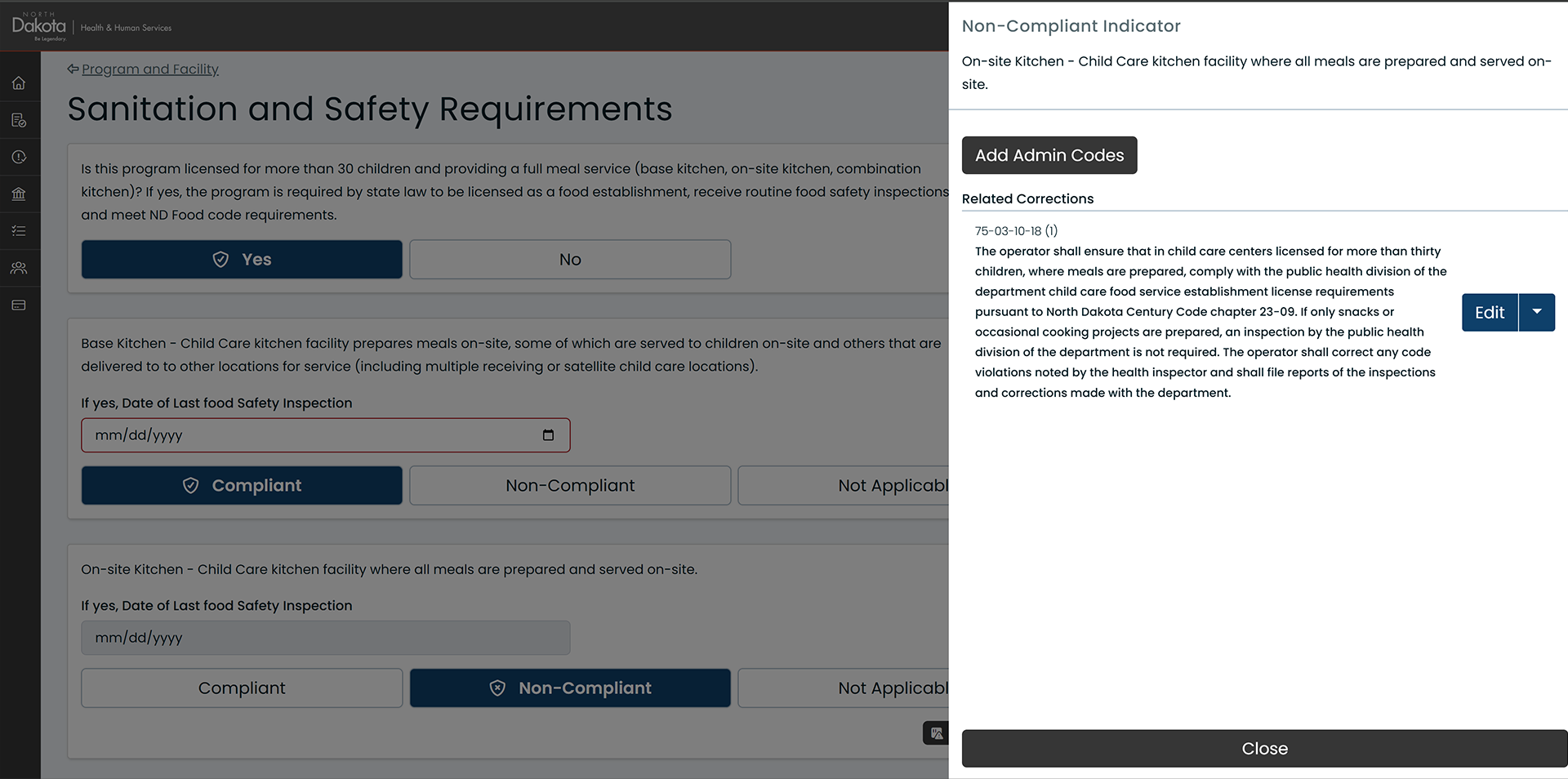
Modular overlays and drawers keep users in context while providing additional information and actions.
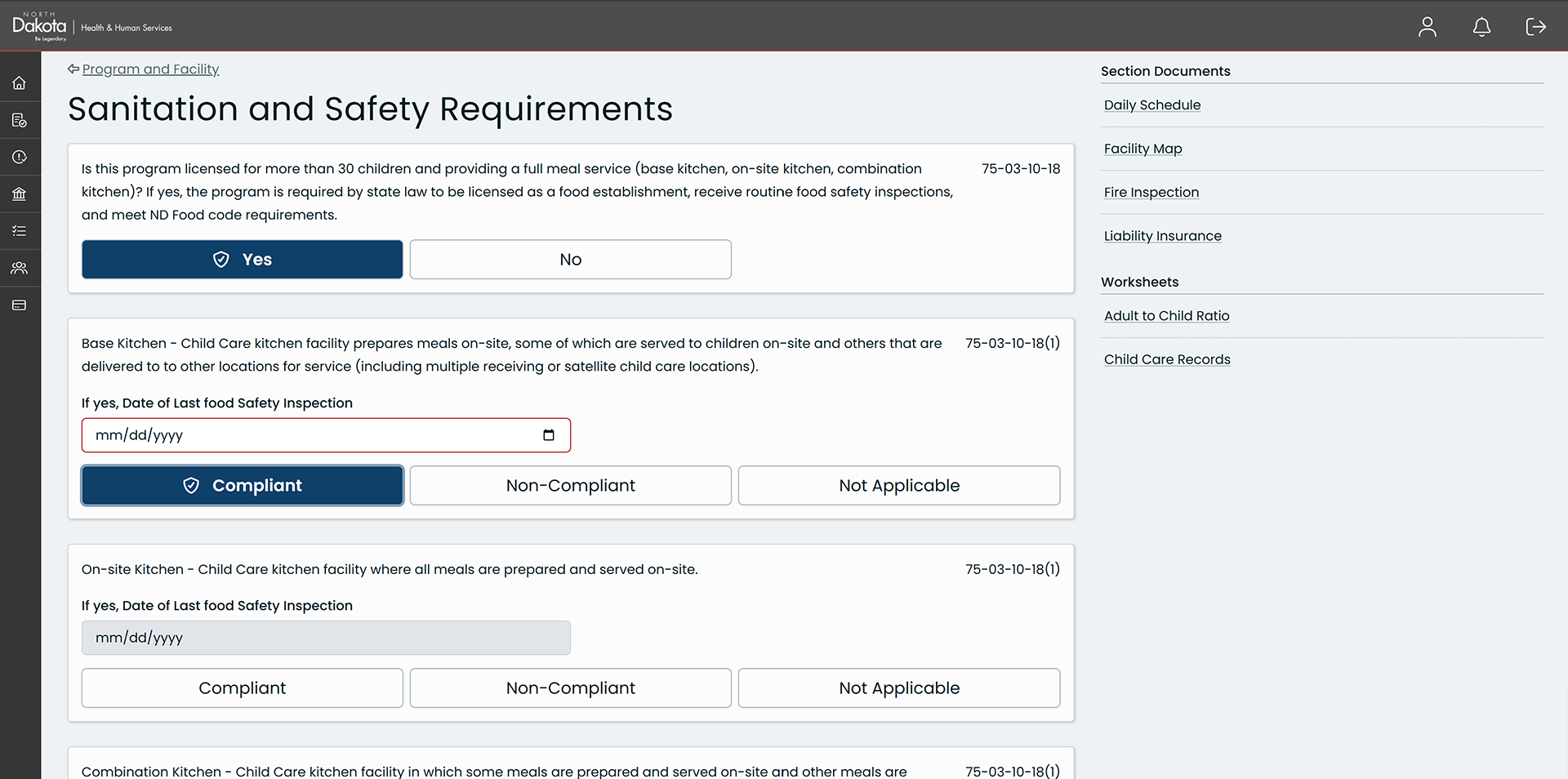
Forms
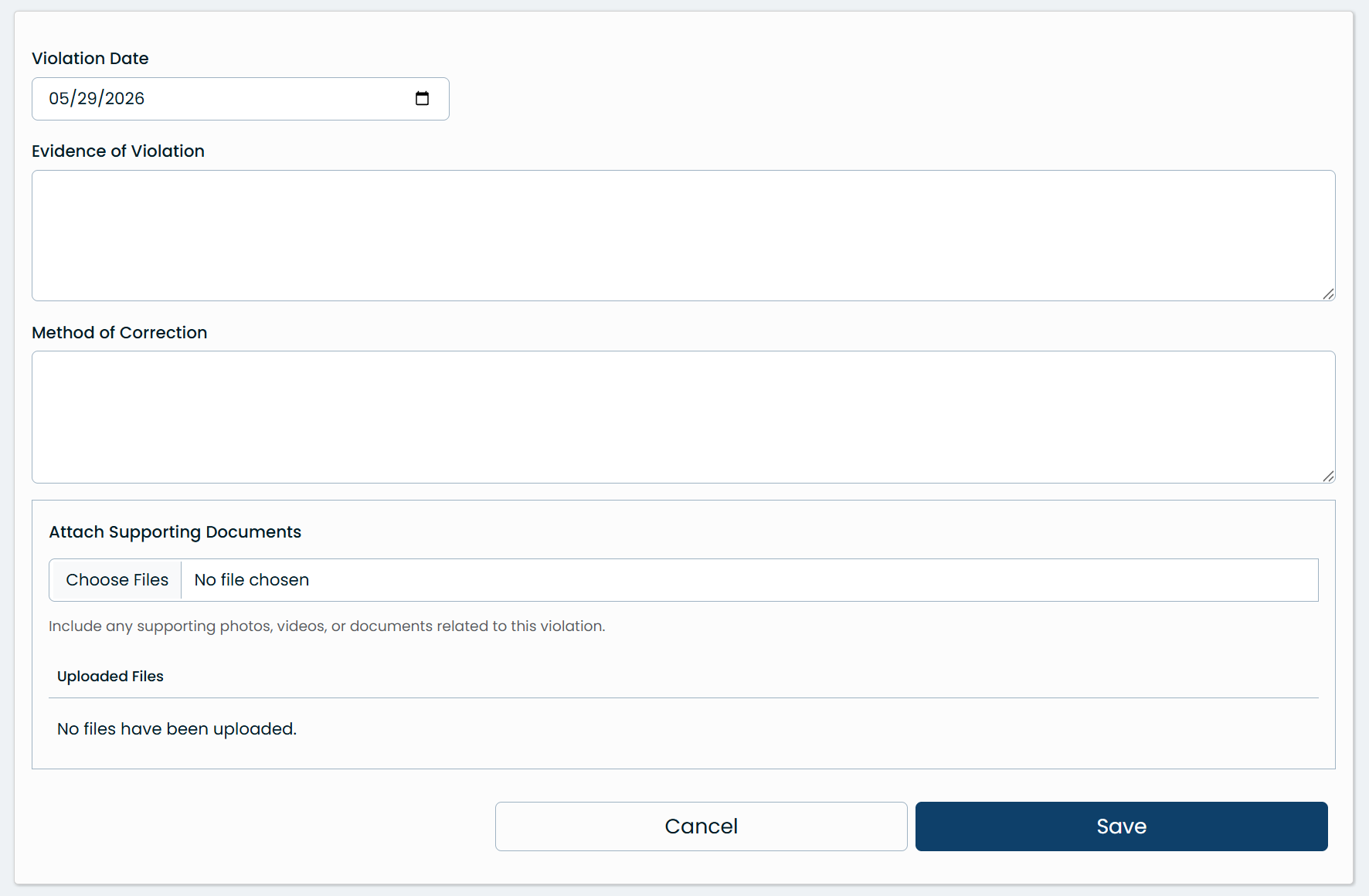
Standardized layout for detail pages improve clarity and reduce cognitive load
The Results
Shared patterns and reusable components created a more predictable experience across workflows and applications.
Standardized UI patterns reduced duplicated implementation work and accelerated feature delivery across teams.
Onboarding new states, workflows, and feature requirements became significantly easier using shared system patterns.
Responsive workflows improved usability for specialists and providers working primarily from mobile devices in the field.
Standardized components aligned with WCAG requirements and reduced accessibility regressions.
By simplifying navigation, modernizing data-heavy tools, and validating decisions with users at every step, we delivered a platform that is easier to use, more efficient, and built for the future.